SYSTEM INITIALIZING...
From Earth to Energy

The Art of Industrial Reliability

Where 60 years of Tyco & Morgan legacy meets modern precision. We control every variable—from raw clay composition to the final high-voltage flashover.

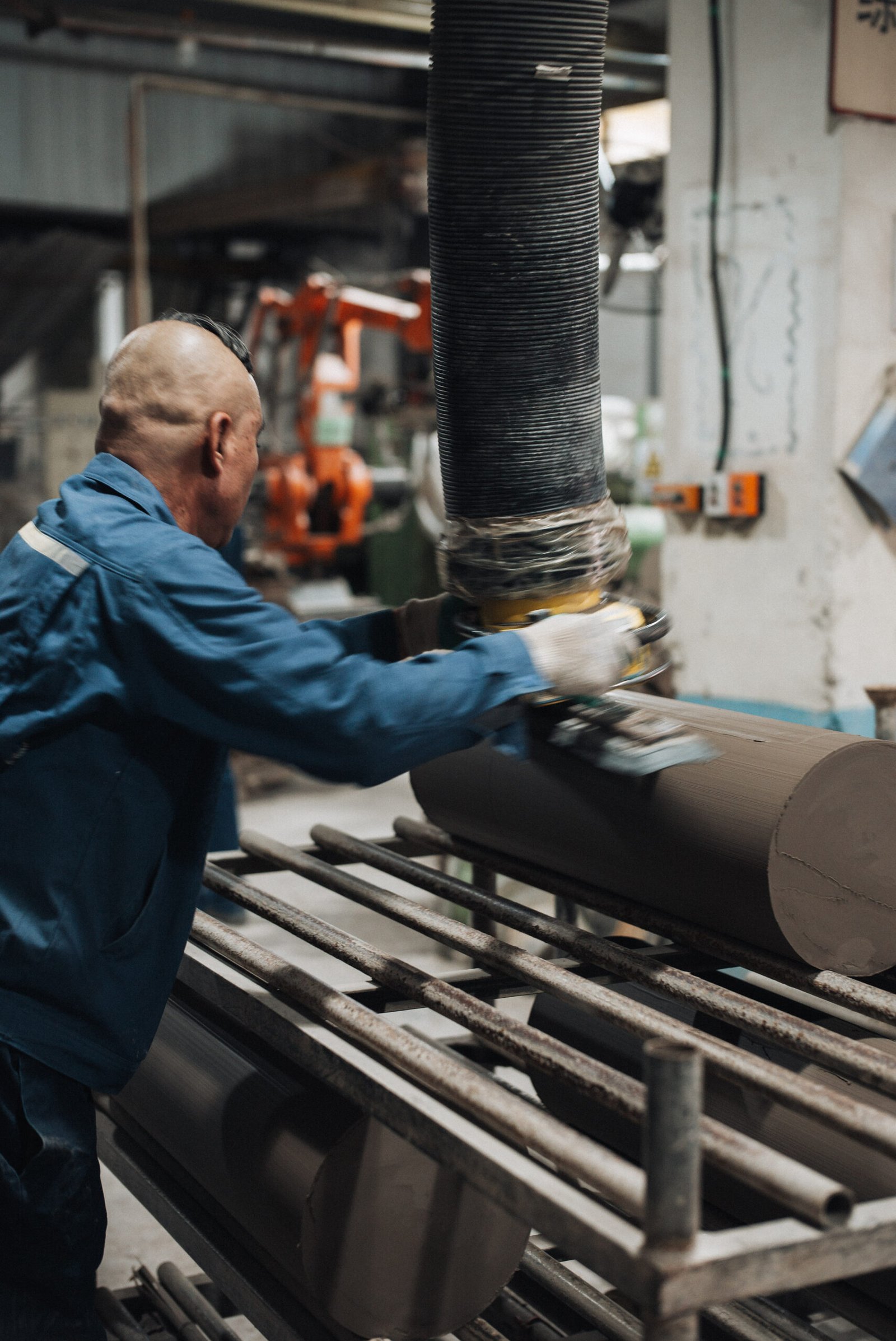
Vacuum Extrusion of High Alumina Clay
01

Vacuum Extrusion

Air bubbles are the enemy of dielectric strength. We use high-grade C130 alumina clay and process it through dual-stage vacuum pug mills to ensure a defect-free, high-density clay body.
Legacy Standard: Using the exact vacuum pressure protocols established during the Morgan JV era to maximize internal density.
Precision Shaping of Insulator Sheds
02

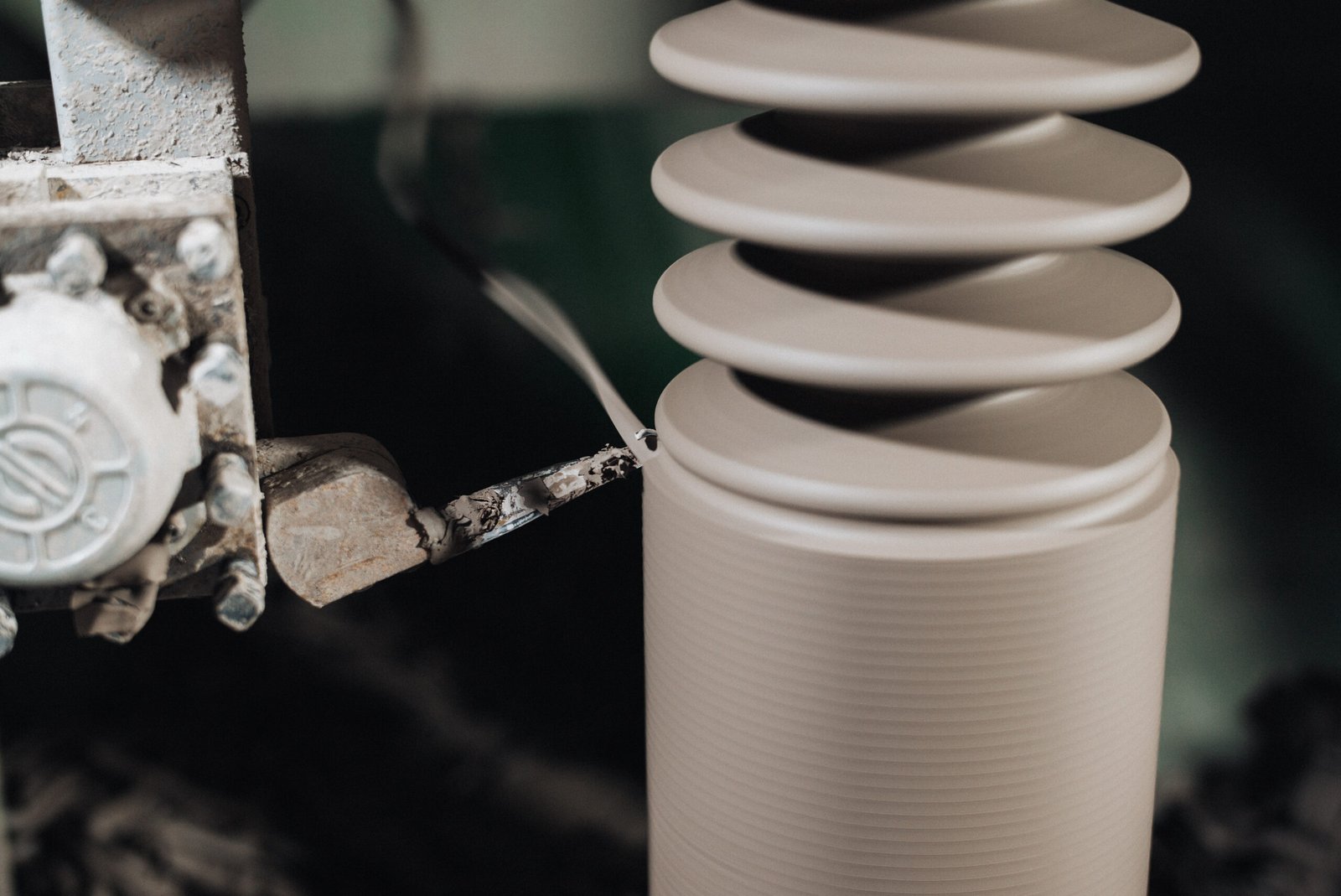
Precision Shaping

The "green" insulator is turned on CNC lathes or hand-finished by master craftsmen to form the critical shed profile. This determines the creepage distance and pollution performance.
Craftsmanship: Our head technicians average 20+ years of experience, ensuring every rib meets tight dimensional tolerances.
Tunnel Kiln Firing Process
03

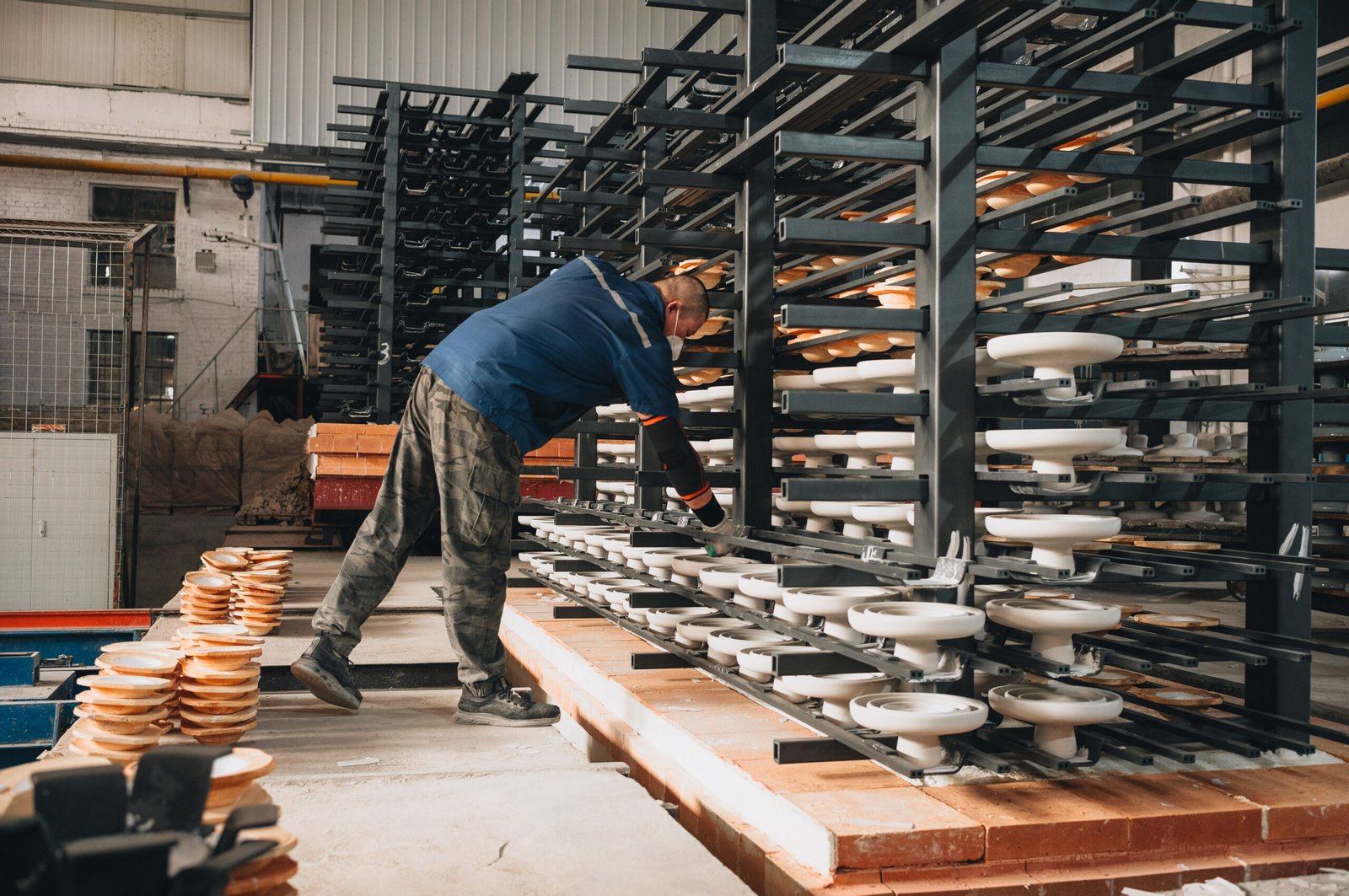
Vitrification & Firing

Insulators travel through our 100-meter tunnel kilns at temperatures exceeding 1300°C. This vitrification process transforms clay into non-porous, high-strength porcelain.
The Tyco Curve: We strictly follow the firing temperature curve optimized by Tyco Electronics for maximum mechanical strength.
Cementing Assembly with Metal Fittings
04

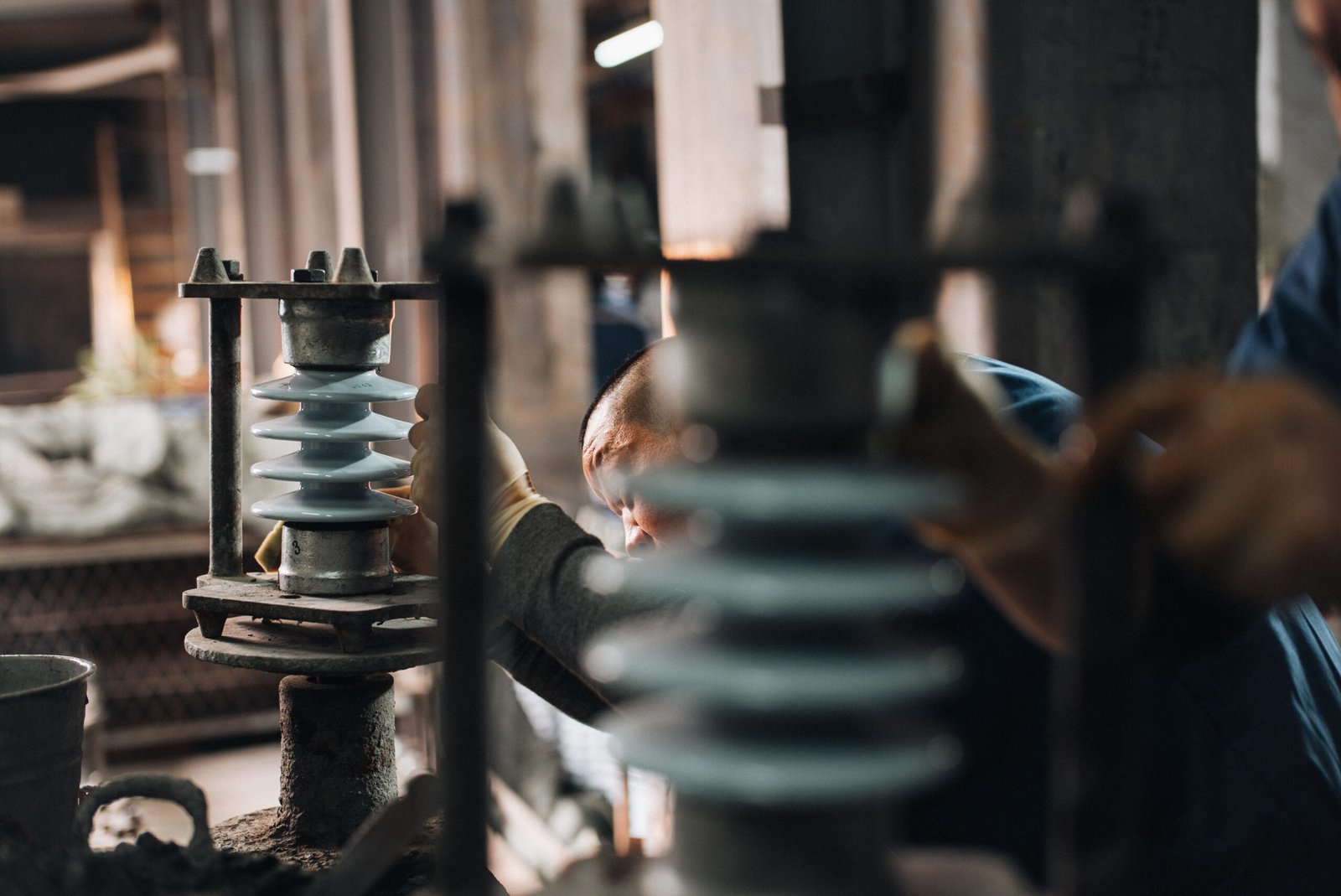
Assembly (Cementing)

Porcelain bodies are joined with galvanized steel caps and pins using special silicate or sulfur cement. We control the curing temperature and humidity to prevent internal stress.
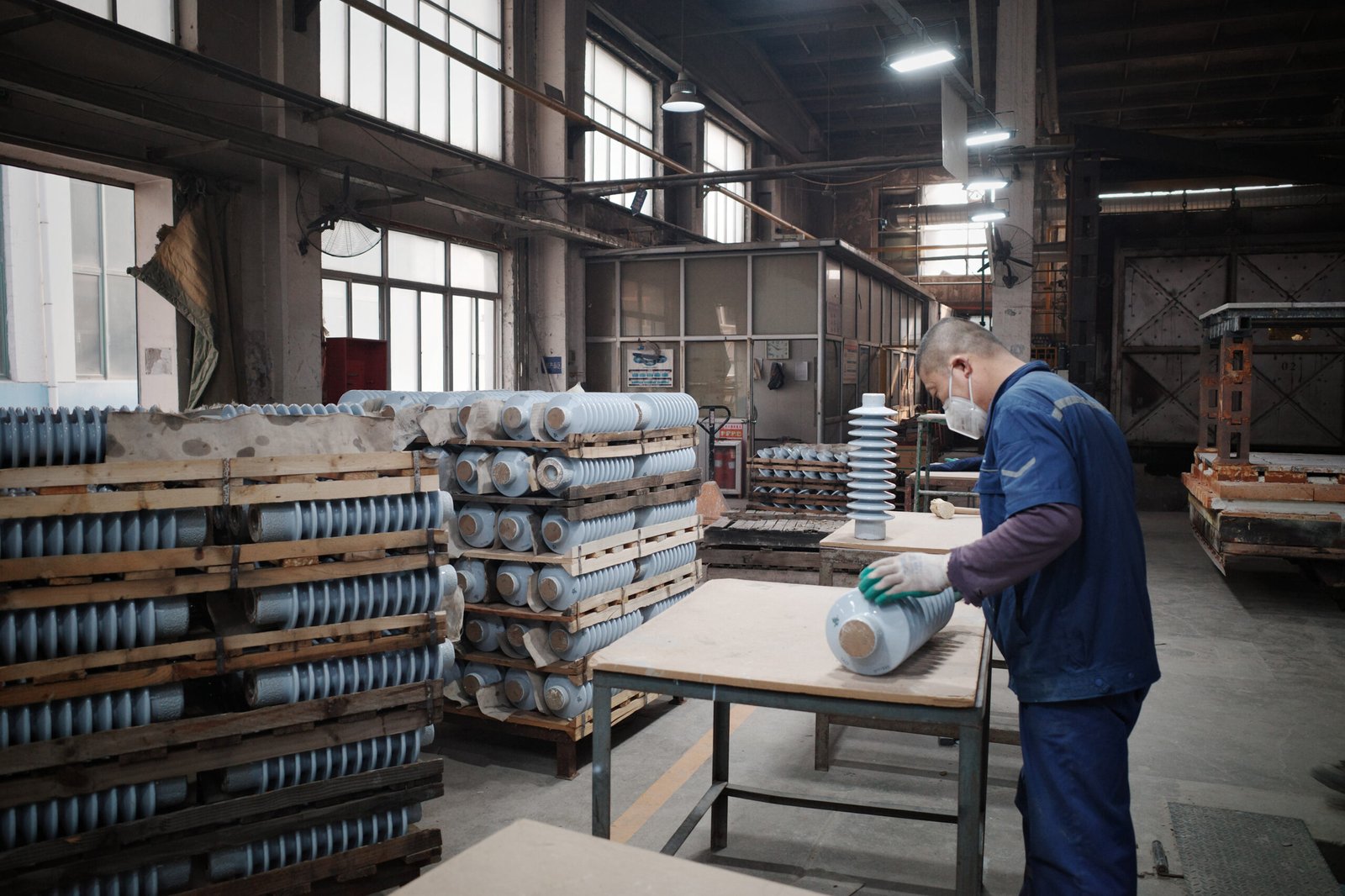
Vibration Resistance: Specially designed for railway (CRCC) standards to withstand dynamic loads.
High Voltage Flashover Test
05

100% Routine Testing

We don't rely on random sampling. Every single insulator undergoes a tensile load test (50% of rating) and a high-voltage flashover test before packaging.

Zero Defect Policy: Any unit with the slightest acoustic emission or electrical failure is immediately rejected.

Inherited Standards. Zero Compromise.

Our QC protocols are not just compliant with IEC 60383; they exceed it, following the internal benchmarks set by Fortune 500 predecessors.

Download QC Manual